Why Destinations Must Create Reasons to Visit
Travel isn’t just about places anymore. It’s about what happens there.
Travel isn’t just about places anymore. It’s about what happens there.
For decades, tourism marketing followed a familiar formula. Destinations competed on scenery. The most beautiful coastline, the most charming town square, the most dramatic mountain range.
The goal was simple: capture those images and broadcast them to the world.
But the way travelers choose destinations is changing. Increasingly, the draw is not just the place itself, but the experiences people can have there. A weekend music festival in the mountains. A citywide food celebration. A film screening that transforms an ordinary street into a cultural stage.
In many cases, the question is no longer simply “where should we go?” It’s “what is happening there?”
Experiences are becoming a core travel driver
People are not just saying they want experiences. They are traveling for them. A 2024 survey conducted by AAA and Bread Financial found that about three in five Gen Z and millennials have traveled, or plan to travel, more than 50 miles to attend a live event.
Culture itself has become a major economic force. According to the U.S. Bureau of Economic Analysis, arts and cultural production accounted for $1.17 trillion of the U.S. economy in 2023, representing 4.2 percent of GDP.
Events are a major part of that ecosystem. The point is not that every destination needs a festival. It is that experiences create something tourism depends on: urgency. A traveler might visit a place eventually. An event gives them a reason to go now.
Destinations are facing new pressures
While traveler expectations are evolving, destinations are navigating a different set of challenges.
Competition has intensified. Cheap flights and digital discovery mean travelers can choose from almost anywhere in the world. Many places also struggle with uneven tourism patterns. Peak periods overwhelm infrastructure while shoulder seasons leave hotels and local businesses searching for demand.
Seasonality remains one of the industry’s most persistent structural challenges. UN Tourism notes that destinations with high fluctuations often face overcrowding and inadequate infrastructure in peak seasons, along with reduced services and job opportunities in shoulder and low seasons.
At the same time, communities increasingly expect tourism to benefit local residents and businesses rather than simply bringing outside visitors. Marketing campaigns can raise awareness, but they cannot solve seasonality, community trust, or long-term differentiation on their own.
Destinations need something more durable. They need reasons for people to visit at specific moments.
When events shape a destination
Some of the most influential destinations have discovered that cultural events can provide exactly that.
South by Southwest helped turn Austin into a global hub for music, film, and technology culture. The New Orleans Jazz and Heritage Festival draws visitors while celebrating the city’s musical roots. Art Basel Miami Beach has reshaped Miami’s reputation as an international art destination.
These events do more than entertain visitors. They shape how people think about a place.
They also generate significant economic impact. SXSW alone generated more than $381 million in economic impact for the Austin region in 2023, according to the festival’s official economic impact report.
When events become deeply connected to a destination, they start to function as tourism infrastructure. They draw visitors during specific moments, create visibility that advertising cannot buy, and build cultural identity over time.
A realization in Jackson Hole
A few years ago, our team experienced a version of this dynamic while working in Jackson Hole, Wyoming.
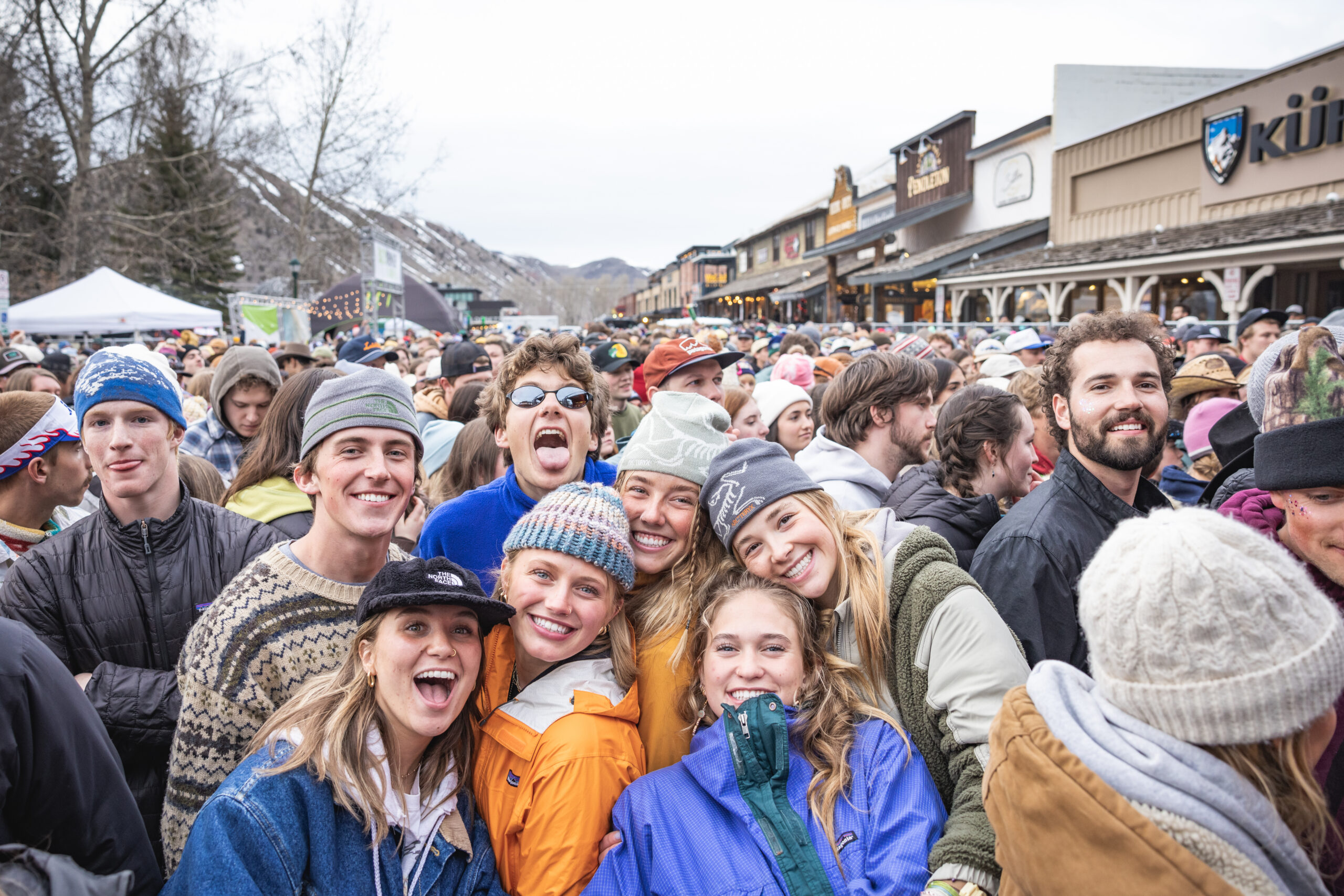
We partnered with local stakeholders to revive the Rendezvous Music Festival, a spring event that had gone dormant. The goal was simple: bring a weekend of music back to town during the quieter period between ski season and summer travel.
But the impact was noticeable across the community. Hotels filled. Restaurants were busy. Locals came out in large numbers. The festival created a moment that people planned travel around. Visitors arrived for the music and experienced the destination along the way.
It was a reminder that events can do something traditional marketing cannot. They can create demand.
A new model for destination experiences
As traveler expectations evolve, more destinations are asking the same question: how do we create experiences that people will travel for?
The answer is rarely importing a generic event or producing a one-time festival. Those approaches can generate attention, but they rarely build lasting cultural identity.
The experiences that endure tend to share a few traits. They reflect the culture of the place. They involve local partners and businesses. They are designed as repeatable platforms that grow over time. Most importantly, they feel inseparable from where they happen.
That is why we launched Wild: to build festivals and cultural events rooted in destination communities, designed to create reasons to visit, to stay longer, and to come back.
The broader shift is already underway. Destinations will not only compete on what they have. They will compete on what they make possible. The winners will be the places that do not just market themselves well, but create moments people are willing to travel for.