Why the Best Event Sponsorships Feel Like Partnerships
The strongest brand partners don’t just buy visibility. They play a meaningful role in the experience, one that feels right to the audience and valuable to the event.
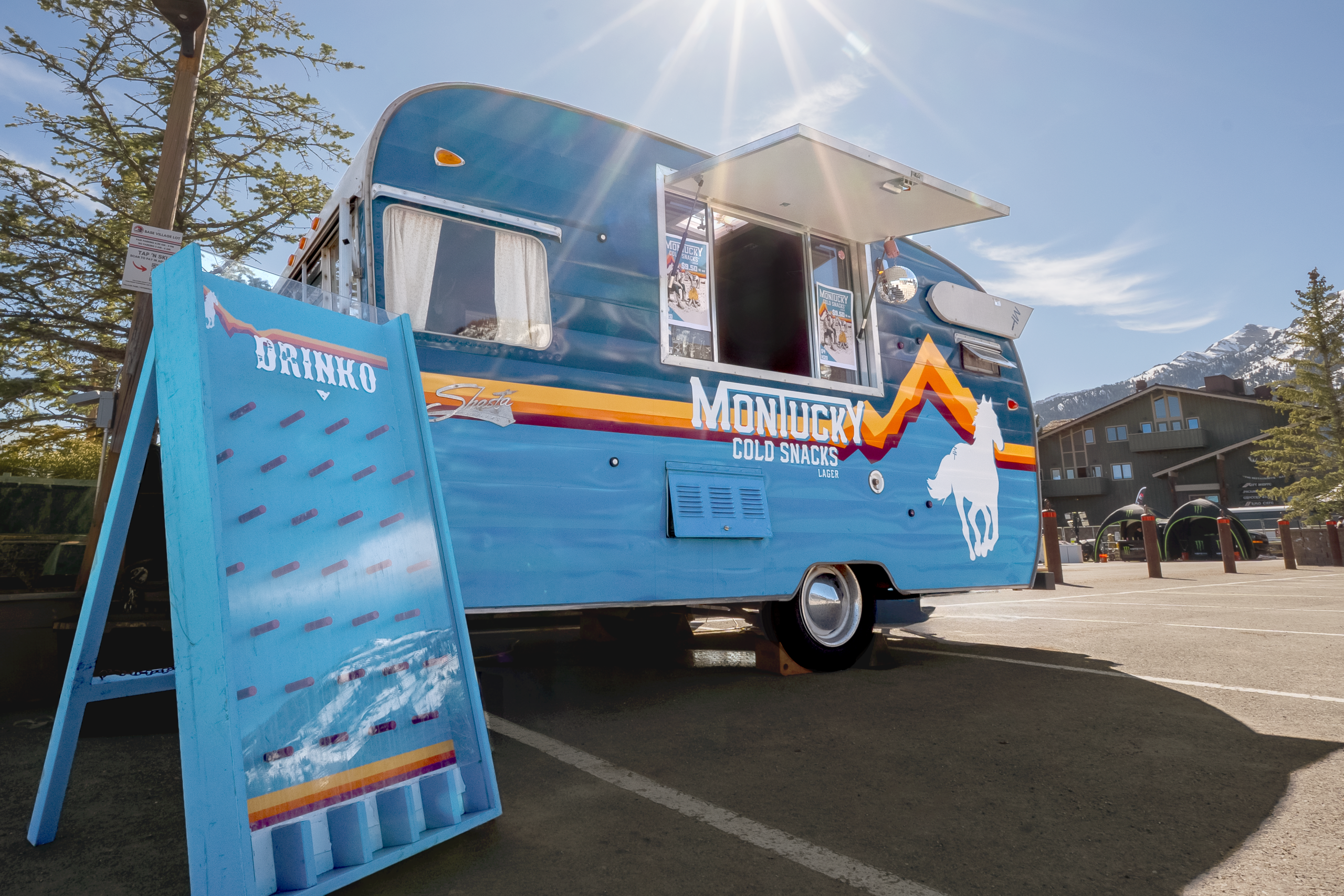
The strongest brand partners do more than support an event. They make it more worth attending.
Great events need great partners.
That’s partly an economic reality. Brand investment can help fund talent, programming, infrastructure, hospitality, promotion, and the many details that make a destination-scale event possible.
But funding alone doesn’t make an event stronger.
Attendees can tell when a brand has simply paid to be present. They can also tell when it understands the setting and enhances the experience instead of intruding on it.
Brands feel the difference too. Visibility may put them in front of the right people, but presence alone rarely creates a meaningful connection. The bigger opportunity is to show that the brand understands the audience, the lifestyle, and the moment they’ve chosen to be part of.
That’s the difference between sponsorship as presence and partnership as participation.
A partnership answers the question sponsorship often skips
Traditional sponsorship assets still matter. Naming rights, signage, product exclusivity, hospitality, content, and audience access can all deliver value.
But they don’t answer the most important question:
Why does this partnership make sense?
A real partnership starts by finding the shared idea, audience need, or ambition that connects the brand to the event.
For event teams, that means looking beyond what can be sold and identifying where a brand could make the guest experience stronger.
For brands, it means looking beyond who will attend and understanding why they are there, what they care about, and what the brand can credibly add.
The answer might be functional. A partner could improve transportation, hospitality, hydration, access, or recovery.
It might be cultural. A partner could support local talent, expand the culinary program, or help create something new.
It might be product-driven. The setting could give people a natural reason to try, use, or better understand what the brand offers.
The contribution should make sense to the audience and serve a clear business goal for the brand.
Start with what the event can become
Too often, sponsorship strategy starts with inventory.
The event gets designed first. Then the team identifies the stages, spaces, surfaces, and benefits available for sale.
That approach can generate revenue, but it also limits what a partner can contribute. Brands are invited to occupy the experience instead of helping shape it.
A stronger process aligns event vision and partnership strategy from the start.
What will make the event worth the trip? What should people discover, feel, or remember? How should the destination come through? Where could a partner add expertise, access, programming, reach, or investment to make the vision stronger?
Those questions create more valuable opportunities for everyone.
The event team gains more than a check. The brand gets a role with a reason behind it. The audience gets something that feels considered rather than simply commercialized.
The goal isn’t just to find a place for the brand. It’s to find a role the brand can credibly play.
Fit turns attention into resonance
Destination events create a powerful context for brands.
People are away from routine. They’re more present, more open to discovery, and often more emotionally invested in the place and the experience. They may be building a tradition, buying into a lifestyle, or choosing a version of themselves they want to inhabit.
That creates attention. But attention isn’t the same as affinity.
A brand gains more when its presence shows that it understands why people are there.
The strongest partnerships say:
We understand this place, this audience, and this moment. We have something relevant to add.
When the fit is real, every brand touchpoint works harder. Content feels more natural. People spend more time with the experience. Each interaction has a better chance of building trust, and the brand becomes associated with something the audience already values.
Place should shape the partnership
For destination events, the opportunity is bigger than the event grounds.
A festival can lead visitors into local restaurants, retail, lodging, outdoor experiences, neighborhoods, and cultural traditions. It can help people understand what makes a place distinctive and give them reasons to return.
Partners can expand that value.
A travel brand might encourage a longer stay. An outdoor company might support programming tied to the landscape. A hospitality partner might improve the visitor journey. A consumer brand might work with local makers, artists, or businesses instead of importing an experience that could appear anywhere.
That’s when a partnership becomes more than an activation.
The event gives the brand a credible way to connect with a culture and community. The brand helps the event express more of what makes the destination worth experiencing.
Better partnerships create value on all three sides
The strongest event partnerships work because everyone gets something meaningful from them.
The event gains funding, capability, programming, promotion, or reach.
The brand gains relevance, trial, participation, content, hospitality value, or a stronger consumer connection.
The audience gets an experience that feels richer, more useful, or more connected to the place.
That doesn’t make the relationship less commercial. It makes the commercial value more grounded in real audience behavior.
Event teams don’t need more brands competing for attention. Brands don’t need more opportunities to show up without a convincing reason.
Both need partnerships built around a shared understanding of the audience, the place, and the experience they can create together.
The best sponsorships still support the economics of an event.
They just don’t stop there.
About Wild
Wild partners with destinations to design and produce cultural events rooted in place and built for long-term impact. Our work helps destinations create reasons to visit, reasons to return, and experiences that strengthen the connection between travelers, communities, and the places they share.
If you’re thinking about how to activate a quieter season, we’d be glad to compare notes. Reach out at [email protected]